
Grams to ML &
ML to Grams Converter
Convert grams to milliliters or milliliters to grams using ingredient-specific density values. Get quick, convenient conversion results for common ingredients.
Water Grams to ML Converter
Convert ingredient weights and volumes with ease.
mL = grams ÷ density — divide the mass (g) by the ingredient density (g/mL).Density is approximate and can vary with temperature, packing, moisture, and measurement method. Results are for general cooking guidance.
Why Use GramsToML?
Convert between grams and milliliters with a simple tool designed for everyday cooking and measurement needs.
-
Easy to Use
Enter an amount, choose an ingredient, and get your conversion result in seconds.
-
Ingredient-Specific Conversions
Use ingredient-specific density values to estimate conversions for different ingredients.
-
Mobile-Friendly Tool
Use the conversion calculator on your phone, tablet, or computer with a clean, responsive layout.
How It Works
Grams to ML
Divide the weight by the ingredient’s density to get the volume.
ML to Grams
Multiply the volume by the ingredient’s density to get the weight.
Supported Ingredients
- Water (1.000 g/mL)
- Whole Milk (1.030 g/mL)
- Vegetable Oil (0.920 g/mL)
- Olive Oil (0.915 g/mL)
- Honey (1.420 g/mL)
- Granulated Sugar (0.845 g/mL)
- All-Purpose Flour (0.593 g/mL)
Grams to ML Conversion Examples
| Ingredient | Grams | Approx. Milliliters |
|---|---|---|
| Water | 100 g | 100 mL |
| Whole Milk | 100 g | Approximately 97 mL |
| Vegetable Oil | 100 g | Approximately 109 mL |
| Honey | 100 g | Approximately 70 mL |
| Granulated Sugar | 100 g | Approximately 118 mL |
| All-Purpose Flour | 100 g | Approximately 190 mL |
* Values are estimates. Actual conversions may vary by ingredient and preparation.
Frequently Asked Questions
Is 1 gram equal to 1 milliliter?
How do I convert grams to milliliters?
How do I convert milliliters to grams?
Can I convert grams to milliliters for any ingredient?
Are the conversion results exact?
Can I convert milliliters to grams for cooking?
How Grams to ML Works
Grams measure weight, while milliliters (mL) measure volume. The conversion between them depends on the density of the ingredient. That’s why 100 grams of flour doesn’t take up the same amount of space as 100 grams of water.
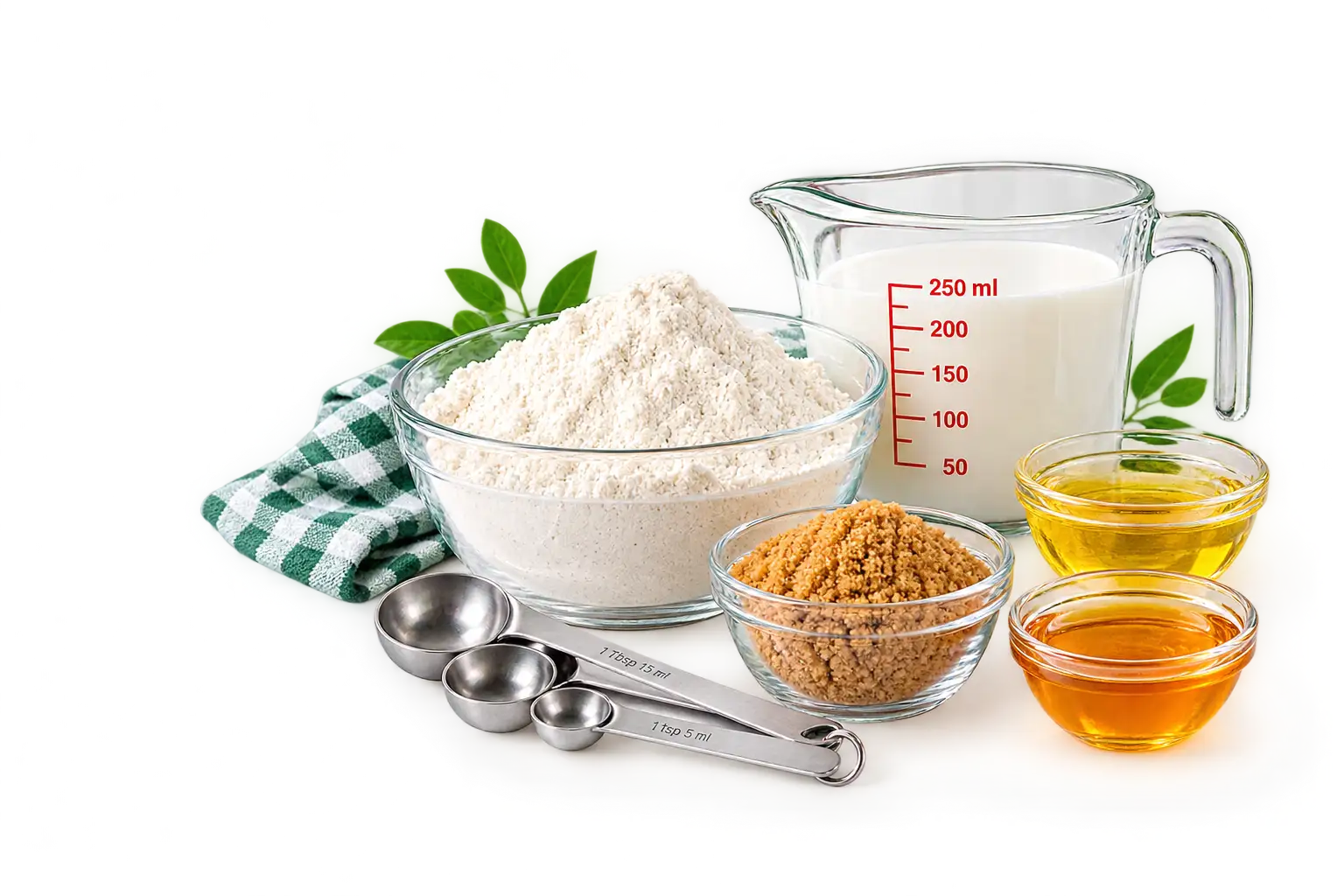
Grams vs. Milliliters
Grams (g) measure mass, while milliliters (mL) measure volume.
Ingredient Density
Each ingredient has a different density. This affects how many milliliters are in a given weight.
Use the Correct Formula
You can convert using the formula based on the ingredient’s density.
Get Accurate Results
Our converter and guides use realistic density values to give you the best estimate.
Conversions by Amount
Explore grams to milliliters conversions for common cooking measurements.
50 Grams to ML
50 g across every ingredient, with a full chart.
Open75 Grams to ML
75 g across every ingredient, with a full chart.
Open100 Grams to ML
100 g across every ingredient, with a full chart.
Open125 Grams to ML
125 g across every ingredient, with a full chart.
Open250 Grams to ML
250 g across every ingredient, with a full chart.
Open500 Grams to ML
500 g across every ingredient, with a full chart.
OpenWhat is Grams to ML Converter?
The Grams to ML converter helps you quickly convert weight (grams) to volume (milliliters) for different ingredients. It’s especially useful for cooking, baking, and following recipes where measurements may be in grams or milliliters.
Ready to Convert?
Choose your conversion direction and get accurate results in seconds.
Popular Ingredient Guides
Dedicated converters, charts, and tips for the ingredients people convert most.
Flour Grams to ML
All-purpose flour conversion chart with the spoon-and-level method explained.
Open Flour Converter OpenMilk Grams to ML
Milk conversion chart with the spoon-and-level method explained.
Open Milk Converter OpenSugar Grams to ML
Granulated sugar conversion chart, plus brown and powdered sugar densities.
Open Sugar Converter OpenButter Grams to ML
Butter conversion chart with a detailed guide to measuring solid fats.
Open Butter Converter OpenHoney Grams to ML
Honey conversion chart with a guide to measuring sticky ingredients accurately.
Open Honey Converter OpenWhat is ML to Gram Converter?
The ML to Gram converter helps you convert volume (milliliters) to weight (grams) for various ingredients. It’s perfect for cooking, baking, and meal prep when you need to measure ingredients by weight instead of volume.
Authoritative External References
What Is a Gram?
A gram (g) is a metric unit used to measure the mass of food, ingredients, and everyday objects. It is commonly used in cooking and baking to measure flour, sugar, butter, and other ingredients. One gram equals 0.001 kilograms. When converting grams to milliliters (mL), the result varies depending on the ingredient because different substances have different densities.
What Is a Milliliter (mL)?
A milliliter (mL) is a metric unit used to measure the volume of liquids and other substances. It is commonly used in cooking, baking, and everyday measurements for water, milk, oil, and other ingredients. One milliliter equals one-thousandth of a liter (0.001 L). When converting milliliters to grams, the result depends on the substance’s density, as equal volumes of different ingredients can have different masses.
What Is g to mL?
g to mL means converting grams (g) into milliliters (mL). Grams measure mass, while milliliters measure volume. This conversion is useful when following recipes, measuring cooking ingredients, or working with liquids.
The amount in milliliters depends on the density of the substance you are measuring. For example, 100 grams of water equals 100 mL, but 100 grams of flour or honey occupies a different volume.
Grams to ML Conversion Guides
Explore practical ingredient conversion guides, charts, and tips to help you measure ingredients more accurately while cooking and baking.
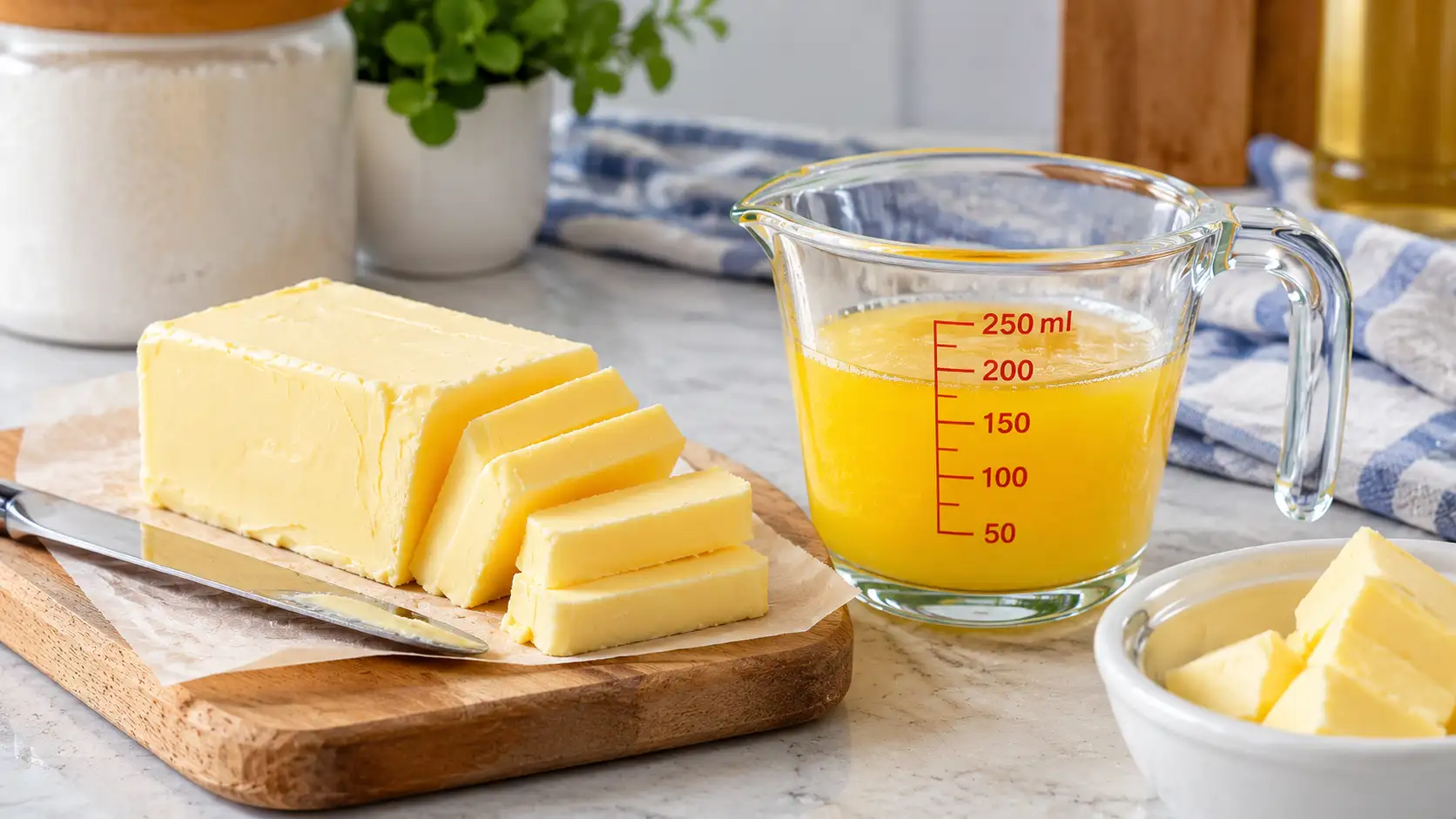
Butter Grams to ML: Conversion Chart and Easy Guide
Butter is a common ingredient in cakes, cookies, sauces, and many homemade dishes. Learn how to convert butter measurements from grams to ml.
Read Guide →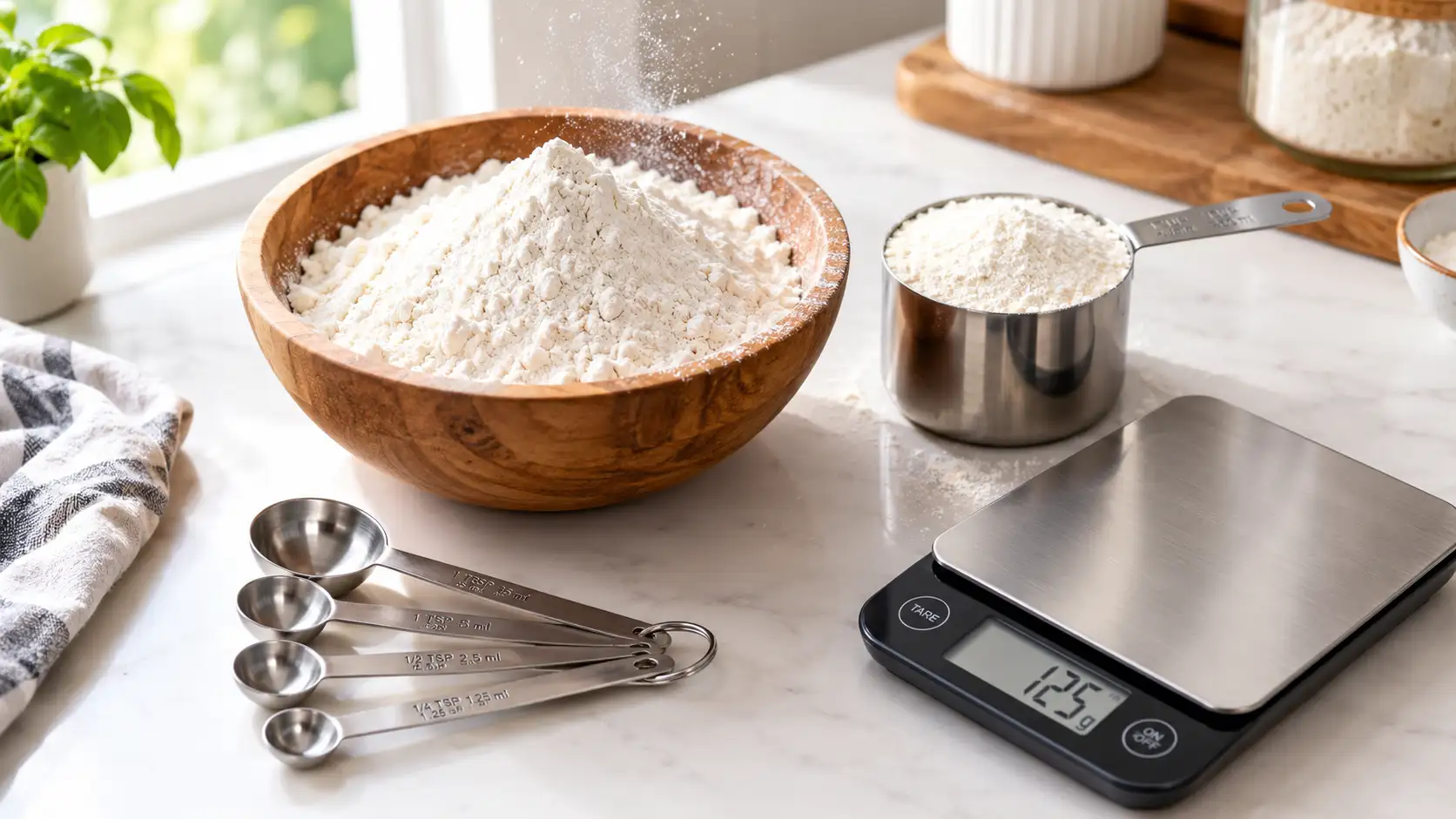
Flour Grams to ML: Conversion Guide
Learn how flour weight converts to volume, with useful measurement guidance for baking and everyday recipes.
Read Guide →
Milk Grams to ML Conversion Chart: A Simple Guide
Discover how milk measurements in grams translate to milliliters and find useful conversions for common kitchen recipes.
Read Guide →